





Jagtar
 Birth
Birth
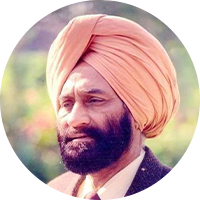
A poet (of nazm and ghazal), researcher, translator, and editor, Dr. Jagtar has artistically shaped the bitter experiences of life into poetic expression, elevating Punjabi ghazal to a distinguished stature. A recipient of the Sahitya Akademi Award, he is widely recognized for his celebrated ghazal "Har Mod Te Saleeban"

Dr. Jagtar is a highly acclaimed figure in modern Punjabi literature whose contributions as a poet, translator, and scholar have profoundly shaped the literary discourse of the latter half of the 20th century. Born on March 23, 1935, in the village of Rajgomal in Jalandhar district, his early life was marked by hardship. Though his biological parents were Natha Singh and Gurcharan Kaur, he was raised by Lakshmi Devi and Jawahar Singh, who deeply influenced his emotional and intellectual development. Despite significant struggles, he pursued higher education in Urdu, Persian, and Punjabi, earning M.A. degrees in all three. He later completed a Ph.D. under the mentorship of Dr. Vishwanath Tiwari, focusing his doctoral research on post-partition Pakistani Punjabi poetry.
Jagtar’s poetic journey began in the early 1950s with Urdu compositions, gradually transitioning into Punjabi. His creative recognition emerged through the publication of his poems in Phulwari magazine in 1952. Immersed in the gatherings of celebrated Urdu poets, Jagtar mastered the intricacies of poetic metres and literary aesthetics. His ghazals reflect an intense engagement with modern existentialism and human struggle, articulated in a language of empathy and philosophical depth.
His poetic oeuvre includes a substantial number of collections that capture his evolving thematic concerns and stylistic maturity. Works like Ruttan Rangliyan, Talkhiyan-Rangian, Dudh Pathri, Adhura Aadmi, Lahoo de Naksh, Jazīrian Vich Ghiriya Samundar, Chanukri Shaam, Jugnu, Diva te Darya, Akkhan Waliyan Pairhan, and Mom De Lok explore themes ranging from alienation and social injustice to spiritual inquiry and resistance. His poetry integrates folk sensibilities, Dalit and feminist consciousness, and political critique, transforming personal suffering into powerful social commentary. He stands among the leading voices of Punjabi ghazal who redefined its form and scope.
Beyond poetry, Dr. Jagtar was an influential translator and editor. His engagement with Pakistani literature, Persian and Urdu classics, and Islamic literary traditions enriched Punjabi literature with new dimensions. Among his major editorial and translation contributions are Dukh Dariyāon Paar De, Aakhia Fareed Ne, Choṇvīṅ Ghazlān, Sufi Kav, and Humsafar. He also translated significant works from Arabic, Persian, and Urdu into Punjabi and contributed to modern Indian poetry anthologies in English, further bridging literary traditions across languages.
In recognition of his outstanding contributions, Jagtar received numerous national and international accolades. These include the Shiromani Kavī Award from the Punjab Language Department (1991), the Sahitya Akademi Award (1995) for Jugnu, Diva te Darya, the Best Poet Award from Lahore (1998), and the Poet of the Century honor in California (2002). His global literary engagements took him to more than ten countries, participating in numerous literary seminars and conferences, enhancing cross-cultural literary dialogue.
Dr. Jagtar’s legacy lies not merely in his voluminous literary output but in his ability to reshape the internal dynamics of Punjabi poetry. His writing harmonized aesthetic discipline with social insight, offering a voice of dissent rooted in lived experience and cultural authenticity. He remained an active literary force until his death on March 30, 2010, leaving behind a canon that continues to influence and inspire generations of Punjabi writers and readers across the globe.