




Abdi qadri qaisar Shahi
A medieval Sufi poet and mystic, whose poetry speaks of divine love, self-realization, and the quest to find God within oneself.


It is the literature from the 15th century to the end of the 19th century, which includes the literary traditions of Gurmat poetry, Sufi poetry, qissa poetry, Bir (heroic) poetry, and other streams.
A medieval Sufi poet and mystic, whose poetry speaks of divine love, self-realization, and the quest to find God within oneself.

A renowned medieval Sufi poet. Ali Haider was a contemporary of Bulleh Shah and a politically conscious poet.
1690-1785

The most prolific Qissakar (narrative poet) in Punjabi literature, renowned for the Qissa of Heer Ranjha.
1768-1848

A renowned medieval poet. who composed a considerable number of tales in his time. Shah Bahram is his famous work.
1778-1863
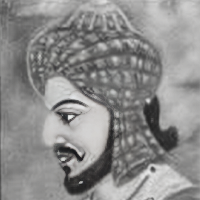
A renowned Sufi qissa writer and contemporary of Ranjit Singh. By writing the qissa “Puran Bhagat,” he immortalized this tale forever.

A renowned qissa writer of his time. His famous work is Kalian Wali Heer.
1836-1900
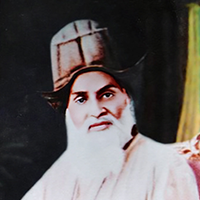
A renowned Sufi poet, who composed Kafis, Dohras, and Ghazals infused with deep mystical (Tasawwuf) themes. Khwaja Ghulam Farid is also regarded as the last great Sufi of the medieval period.
1845-1901

A renowned medieval Sufi poet and mystic. His famous writings include Roshan Dil, Kasabnama Bafindgan, Siharfian, and Baramah.
1720-1790
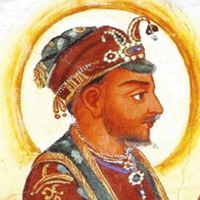
A renowned medieval poet, the second Guru of the Sikhs, and a reformer. The 63 saloks composed by him are included in the Guru Granth Sahib.
1504-1552
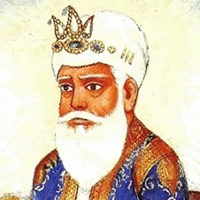
A famous medieval poet, the fourth Guru of the Sikhs, and a reformer. His hymns are included in the Guru Granth Sahib under 17 ragas.
1479-1552
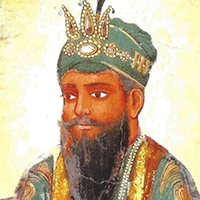
A famous medieval poet, the fifth Guru of the Sikhs, a reformer, and the compiler of the Guru Granth Sahib. His hymns are recorded in 30 ragas. “Sukhmani” is his masterpiece.
1563-1606
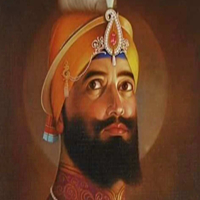
A renowned medieval poet and the tenth Guru of Sikhism, who founded the Khalsa Panth in 1699 CE. His sacred writings are recorded in the Dasam Granth.
1666-1708

A famous medieval poet, the ninth Guru of the Sikhs, and a reformer. His hymns are recorded in 15 ragas in the Guru Granth Sahib. He attained martyrdom in 1675 CE.
1621-1675
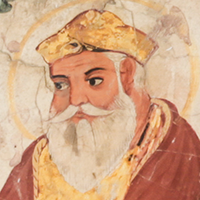
A famous medieval poet, the founder of Sikhism, the first Guru, and a thinker. Among his compositions are Japji, Sidh Gosht, Asa Di Vaar, Dakhni Oankar, and many other writings.
1469-1539
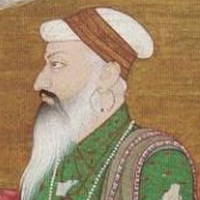
A famous medieval poet, the fourth Guru of the Sikhs, and a reformer. The hymns composed by him are included in the Guru Granth Sahib under 30 ragas.
1534-1574

A prominent 18th-century Sufi poet and mystic, associated with the Qadri order. He also served in the army for some time.

Damodar is considered the pioneer of Punjabi qissa poetry. He was a contemporary of Akbar and was the first to compose a qissa based on the love story of Heer and Ranjha.

A renowned qissa writer. Roop-Basant, Raja Rasalu, and Hari Chand are among his famous qissas.
1880-1935

The first female poet of Punjabi. Piro rejected the rigid religious rituals and external practices of the prevailing religious traditions of her time, and carried forward the tradition of the Bhakti saints and Sufi poets.
1832-1882

A famous medieval Qissa writer. His well-known work is the Qissa “Mirza Sahiban”.

An important qissa writer of the 19th century. At a time when the glory of qissa poetry was fading, he immortalized this love story forever by writing the qissa “Sohni Mahiwal.”
1827-1890

A renowned Sufi poet and mystic, one of whose notable works is a masnavi. The shrine of Bu Ali Shah Qalandar is located in Panipat.
1209-1324

A renowned medieval Sufi poet and mystic who raised his voice against religious extremism and traditional rigidity. He is famous for his kafis.
1680-1758

A famous medieval poet. Six hymns of his composition, “Ramkali Sad,” are included in the Guru Granth Sahib. He was the great-grandson of Guru Amar Das Ji.
1560-1603
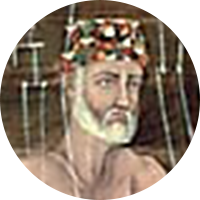
A famous medieval poet, devotee, and reformer. His hymns are included in the Guru Granth Sahib under 16 ragas.
1440-1518

A prominent medieval Punjabi poet, saint, and devotee. He was among the pioneers of the Bhakti movement that emerged in India. As a liberal-minded saint, he always kept his doors open to new ideas and progressive thought. One of his hymns, composed by him, is included in the Guru Granth Sahib under Raag Basant.
1201-1245

A renowned medieval Punjabi poet and saint. His birthplace is believed to be Barsi, a town in the Solapur district of Maharashtra. Four of his hymns are included in the Guru Granth Sahib.
1268-1335
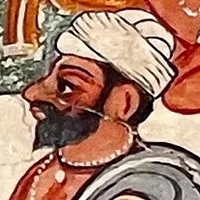
1416-1500

A renowned medieval Bhagat poet. The Guru Granth Sahib contains 61 hymns composed by him in 18 ragas.
1271-1341
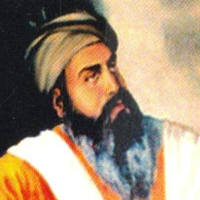
1483-1593

1426-1475
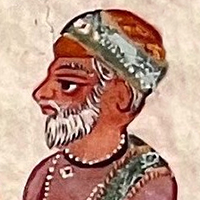
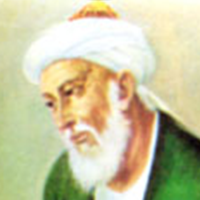
1480-1574
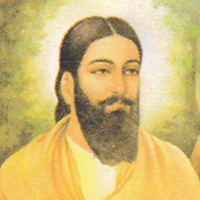
A medieval poet, saint, devotee, and reformer. Bhagat Ravidas was born in Banaras. His writings reflect a deep sense of humanity and divine love. Forty hymns composed by him are included in the Guru Granth Sahib, set in sixteen different musical modes (Raags).
1376-1520
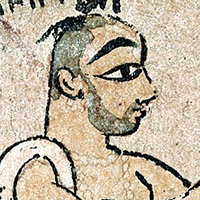
A prominent medieval Punjabi poet, saint, and devotee. He was among the pioneers of the Bhakti movement that emerged in India. As a liberal-minded saint, he always kept his doors open to new ideas and progressive thought. One of his hymns, composed by him, is included in the Guru Granth Sahib under Raag Basant.
1366-1467

1529-1632
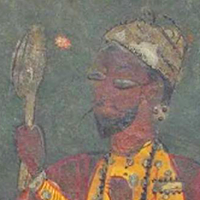
A renowned medieval Punjabi poet and Bhagat. He is believed to have been born in the 14th or 15th century. He worked as a barber in the king’s court. One of his hymns is included in the Guru Granth Sahib, composed in Raag Dhanasari.
1390-1440

A renowned medieval Punjabi poet, saint, and devotee. Bhagat Sadhana is believed to have lived during the 14th century. One of his hymns is included in the Guru Granth Sahib, under Raag Bilawal. His composition serves as a beautiful example of humility and self-surrender.
1270-1350
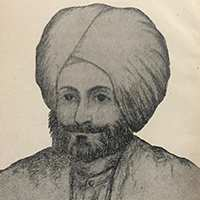
A famous qissa writer of the Malwa region during the British colonial period. Besides the renowned qissa “Heer,” he also wrote Sohni Mahiwal, Mirza Sahiban, and Jiuna Maud along with other works.
1842-1902


Famous medieval poet and bhatt. Five savaiyye written by him are included in the Guru Granth Sahib.


Famous medieval poet and bhatt. Fourteen savaiyye written by him are included in the Guru Granth Sahib.


